
Downsizing in Puerto Rico: A Complete Guide for 2026
Downsizing decisions in Puerto Rico during 2026 increasingly reflect demographic and economic shifts across the island. According to U.S. Census Bureau estimates, Puerto Rico’s population sits near 3.2 million residents, with a median age above 43. That aging profile, combined with rising energy and maintenance costs, encourages many households to trade large single-family homes for smaller condos in San Juan, Guaynabo, and Carolina. Understanding costs, neighborhoods, and legal details helps downsizers align lifestyle, budget, and long-term plans.
Why do many households choose to downsize in Puerto Rico in 2026?
The decision to downsize in Puerto Rico often begins with monthly cost pressure. Larger homes in suburbs like Bayamón, Caguas, and Ponce can demand significant spending on insurance, property taxes, and hurricane-resistant upgrades. According to Zillow data through early 2026, many established neighborhoods show home values that have climbed in the range of 10% to 18% since 2020. Selling while equity is high allows owners to secure smaller, efficient spaces without stretching retirement income.
Maintenance also plays a central role. Single-family properties in areas such as Toa Alta or Trujillo Alto often require regular roof sealing, generator servicing, and landscaping. Condo communities in Condado, Isla Verde, and Miramar typically bundle exterior upkeep and amenities into a predictable association fee. Based on recent listings tracked by Realtor.com, many urban condos list maintenance fees between $150 and $450 per month, often including security, pools, and backup power systems.
Lifestyle simplification is another driver. Many long-time owners near Avenida Ponce de León or Ashford Avenue seek walkable access to cafés, pharmacies, and medical offices instead of long car commutes. Downsizing into apartments near Hospital Auxilio Mutuo in Río Piedras or Hospital Pavía Santurce reduces travel time for regular appointments. Proximity to services around Plaza Las Américas, San Patricio Plaza, and Plaza Carolina supports aging in place while keeping social opportunities close at hand.
Family structure changes also encourage moves. Empty-nest households in suburban Guaynabo or Dorado often no longer need four or five bedrooms. A two-bedroom condo near the University of Puerto Rico in Río Piedras or in Old San Juan can comfortably host visiting relatives without leaving unused wings of a house sitting dark. According to surveys summarized by Numbeo, central San Juan apartments reduce transportation costs by roughly 15% to 25% compared with more car-dependent areas.
Which Puerto Rico neighborhoods work best for downsizers seeking convenience?
Many downsizers prioritize walkability, and San Juan’s central districts provide strong options. According to Walk Score, parts of Santurce, Condado, and Old San Juan score in the range of 80 to 94 for walkability. Condos along Calle Loíza and around La Placita de Santurce offer short walks to supermarkets, bakeries, and farm stands. Access to Avenida Baldorioty de Castro and PR-22 also keeps drive times to Guaynabo, Bayamón, and Cataño under 30 minutes in typical traffic.
Late afternoons in Condado often bring soft golden light over Laguna del Condado, with palm fronds rustling above the path along Ashford Avenue. From balconies near Parque del Indio, the steady crash of waves mixes with aromas of espresso drifting from cafés on Calle Magdalena. Nearby, the gentle hum of traffic heading toward Luis Muñoz Marín International Airport contrasts with the relaxed pace of residents strolling to pharmacies, panaderías, and small restaurants tucked into ground-floor spaces.
Outside the capital, Guaynabo and Carolina offer appealing options for those wanting quieter streets. Communities near San Patricio Plaza, Torrimar, and Garden Hills feature mid-rise condos and gated townhomes. Many complexes lie within 10 to 15 minutes of Parque de las Ciencias in Bayamón and Parque Luis Muñoz Marín in San Juan, supporting recreational routines. According to listings compiled by Realtor.com, two-bedroom condos in central Guaynabo commonly range between $170,000 and $260,000, depending on age and amenities.
Further south, Ponce’s historic center around Plaza Las Delicias and the Ponce Art Museum attracts downsizers who favor culture over nightlife. Compact homes in Barrio Bélgica or high-rise units along Avenida Hostos often provide easier upkeep than older mansions in hillier sectors. Mayagüez, with its university population around the University of Puerto Rico at Mayagüez, offers smaller walk-up buildings near Plaza Colón. These western neighborhoods appeal to those wanting slightly lower prices than the San Juan metro while staying close to hospitals and shopping centers.
How do costs of living and housing change after downsizing?
Downsizing decisions rarely focus on purchase price alone. According to Zillow, many suburban single-family homes across Puerto Rico fall in price ranges between $220,000 and $450,000, while smaller condos often cluster between $140,000 and $300,000. Reducing square footage by 30% to 50% can cut cooling expenses meaningfully. Numbeo data for 2026 suggests typical monthly utilities in San Juan for moderate apartments fall around 80 to 140 U.S. dollars, depending on air conditioning usage.
Financing terms also shape outcomes. According to HUD, FHA-insured mortgages still allow minimum down payments near 3.5%, which can benefit buyers transitioning from fully paid homes to new condos. Some downsizers instead use proceeds from sales in Dorado Beach, Palmas del Mar, or Ocean Park to purchase smaller units in cash, avoiding monthly principal and interest altogether. Closing costs often land between 4% and 7% of the purchase price, including notary fees and stamps.
Property taxes and insurance require careful comparison. Puerto Rico’s effective property tax rate generally ranges from roughly 0.4% to 0.7% of assessed value, based on summaries from the Puerto Rico Institute of Statistics. However, assessed values often differ significantly from market prices. Hurricane insurance premiums for coastal properties in Isla Verde or Piñones may exceed those for inland units near Hato Rey or Cupey by hundreds of dollars annually. Smaller, reinforced condos with impact windows can reduce both wind-damage risk and cooling costs.
Everyday living expenses also shift. Downsizing closer to transit corridors like Tren Urbano stations in Bayamón, Jardines, and Sagrado Corazón may allow households to operate one car instead of two. Numbeo’s 2026 estimates for San Juan show monthly public transport passes around 45 to 60 dollars, while maintaining a second vehicle can exceed $300 per month including fuel, insurance, and parking. Savings from one fewer vehicle often offset part of a condo’s association fee, especially in dense areas with grocery stores and clinics within walking distance.
What practical steps help households plan a smooth downsizing move?
Successful downsizing in Puerto Rico begins with a detailed inventory. Many households in large properties near Guaynabo’s Paseo Tablado, Bayamón’s Santa Juanita, or Carolina’s Los Colobos start by identifying furnishings suited for smaller condos. Prioritizing multi-use furniture, such as sofa beds and extendable tables, prevents overcrowding in compact layouts. Professional organizers based in San Juan often recommend reducing belongings by at least 25% to 40% before listing a property, easing both staging and moving timelines.
Packing days in older homes along Calle San Sebastián in Old San Juan or the hills above Miramar often highlight contrasts between past and future. The cool, slightly salty air drifting through wooden shutters mixes with the faint echo of church bells from Catedral San Juan Bautista. Cardboard boxes scrape across worn tile floors, while the scent of café colado from a nearby panadería on Calle Fortaleza softens the emotional weight of sorting decades of photographs, books, and holiday decorations.
Timing the sale and purchase also matters. Some owners in Trujillo Alto or Caguas list existing houses first, negotiating flexible closing dates to secure time for condo hunting near Santurce or Hato Rey. Others arrange bridge financing, though higher interest rates above 6% in early 2026, reported by Federal Reserve Economic Data, make overlapping loans more expensive. Coordinating inspection schedules, appraisal dates, and notary appointments reduces the risk of unexpected gaps between move-out and move-in dates.
Healthcare access is another planning pillar. Downsizers often evaluate distance to major providers such as Hospital HIMA San Pablo in Caguas, Hospital San Francisco in Río Piedras, and Hospital Pavía Arecibo. Travel times from planned condos to these centers, especially during peak traffic on PR-52 or PR-199, can influence neighborhood choices. Many residents favor units within 15 to 20 minutes of preferred specialists, recognizing that appointments can become more frequent with age.
How can downsizers align lifestyle, recreation, and support networks?
Downsizing decisions frequently extend beyond budgets and floor plans, touching social ties and hobbies. Those who enjoy cultural activities often prioritize proximity to Teatro Tapia in Old San Juan, the Centro de Bellas Artes in Santurce, or the Museo de Arte de Puerto Rico. Walking distance of less than one kilometer to these venues can encourage regular attendance. According to Discover Puerto Rico, the metropolitan area also hosts numerous parks and coastal paths suitable for low-impact exercise and social gatherings.
Outdoor-focused downsizers may favor neighborhoods with access to green spaces like Parque Central de San Juan, Jardín Botánico de Río Piedras, or Paseo Lineal Río Bayamón. Short, shaded paths along Río Piedras or the Bayamón River offer daily walking routines without extensive travel. In coastal areas such as Ocean Park and Punta Las Marías, residents commonly integrate early-morning beach walks and evening swims into daily schedules, taking advantage of year-round temperatures hovering between 75 and 88 degrees Fahrenheit.
Support networks remain essential. Many retirees choose buildings where friends or relatives already live, particularly in complexes along Avenida Muñoz Rivera, Isla Verde Avenue, or near Plaza del Mercado de Santurce. Shared lobbies, gyms, and rooftop terraces facilitate casual interaction. According to community health research summarized by the Puerto Rico Institute of Statistics, social engagement can reduce isolation risks among older adults, contributing to lower reported levels of depression by margins of 10% to 20% compared with peers lacking regular contact.
The 3.2 million-resident figure cited at the start of this guide reflects an island in demographic transition, where downsizing decisions intersect with aging patterns and economic realities. That same population number from the opening underscores how many households now face choices about space, access, and support. The Puerto Rico Department of Housing publishes ongoing program updates that clarify financing and assistance options relevant to these transitions. Buyers who register listing alerts through major portals before the spring market surge and commit to touring suitable properties within 48 hours of activation typically secure better-located units with stronger amenities. Households delaying similar actions until after late-summer inventory tightens often confront reduced choices, higher association fees, and longer waiting periods for comparable opportunities.
FROM OUR BLOG
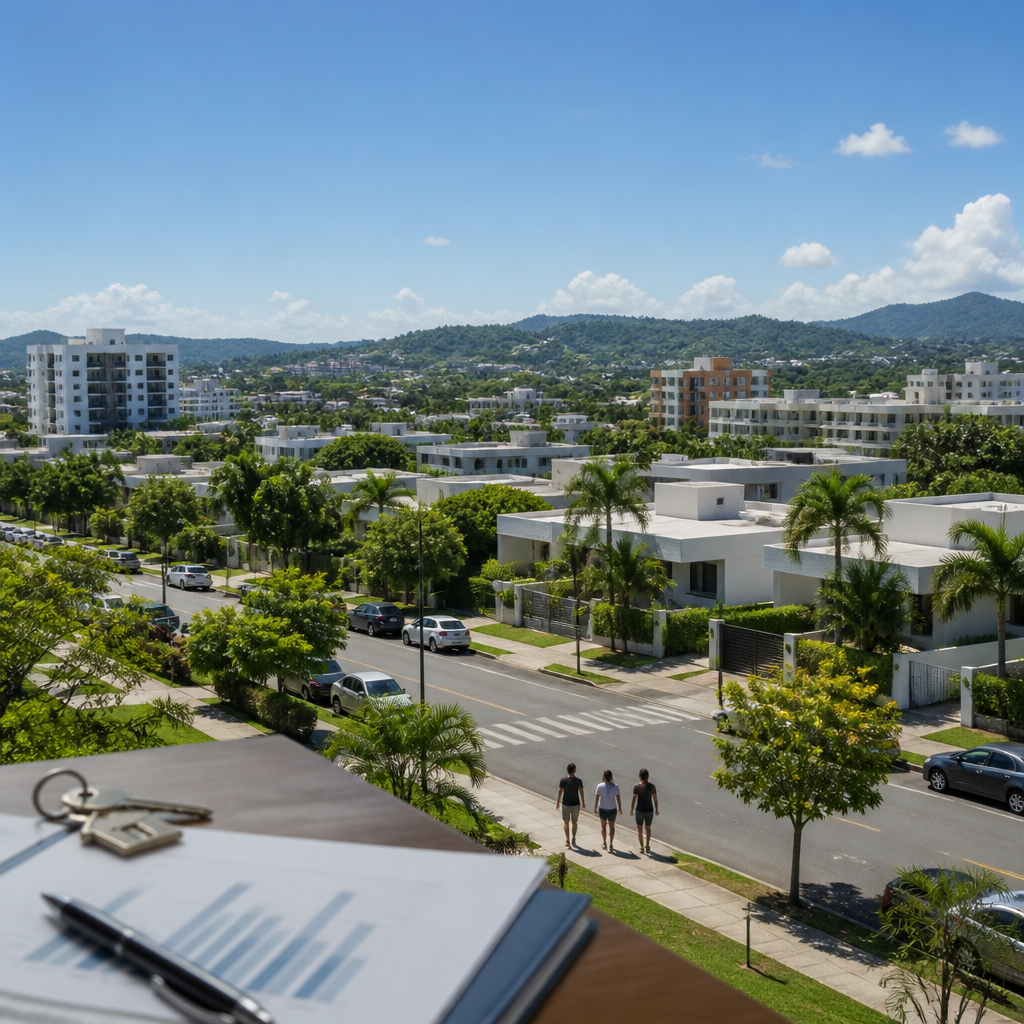

Essential Tips for First-Time Home Buyers in Puerto Rico
Essential Tips for First-Time Home Buyers in Puerto Rico Becoming a first-time home buyer in Puerto Rico involves understanding local financing, property types, and neighborhood dynamics. According to U.S. Census Bureau data for 2018–2022, the homeownership rate on the island is roughly 68%, higher
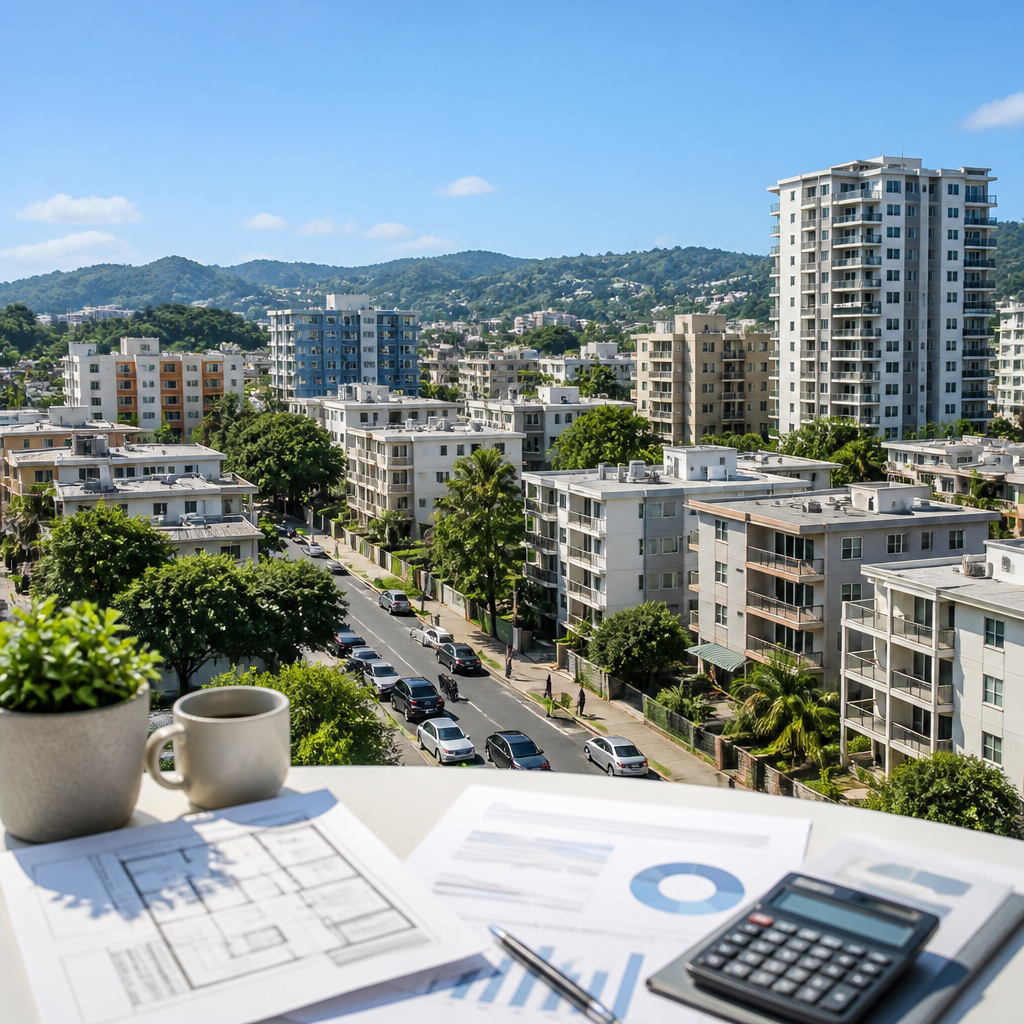
The Ultimate Guide to Rentals in Guaynabo: What You Need to Know
The Ultimate Guide to Rentals in Guaynabo: What You Need to Know Rentals in Guaynabo attract residents who want quick access to San Juan with a quieter urban feel. According to U.S. Census QuickFacts, Guaynabo’s population stands near 90,000 residents as of recent estimates, supporting a diverse hou